logo
shanghai jiejia garment machinery co .,ltd
Acerca de nosotros

shanghai jiejia garment machinery co .,ltd

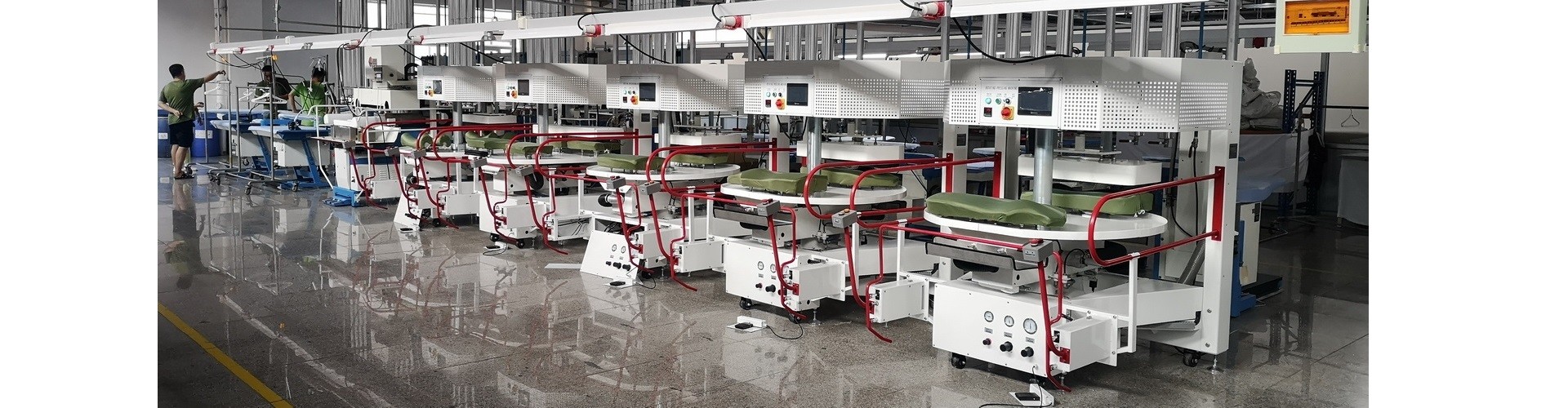
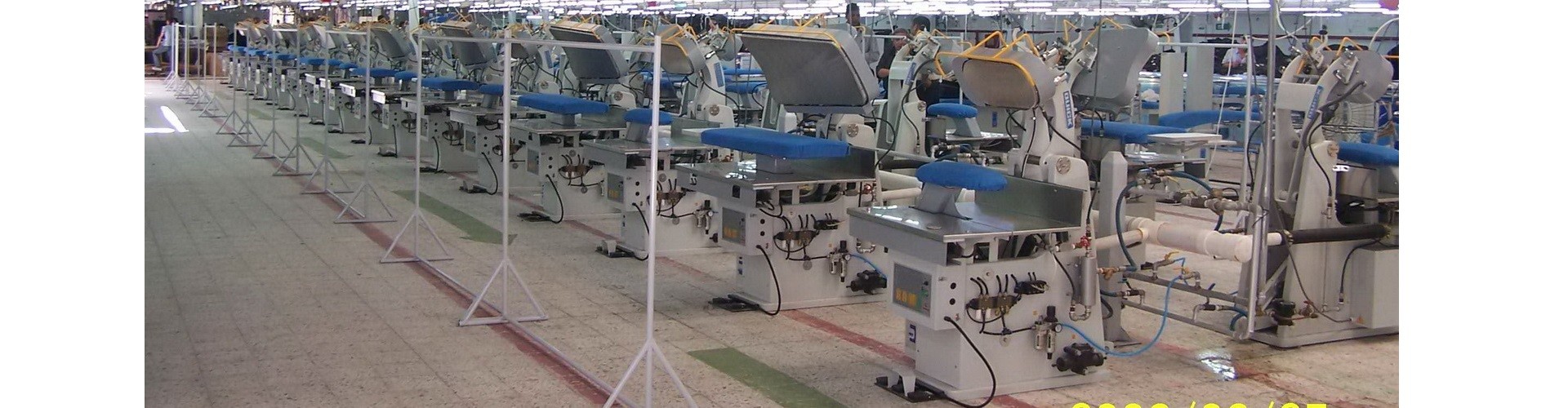
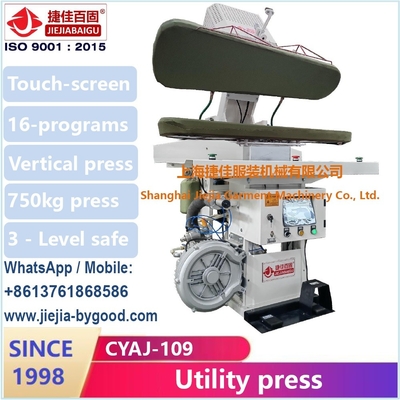
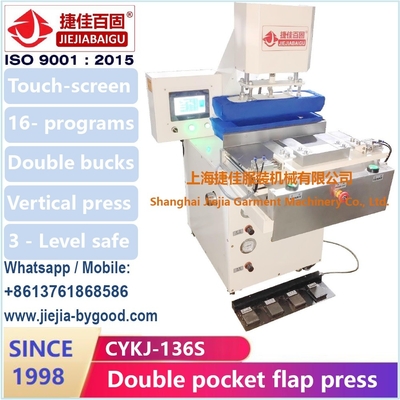
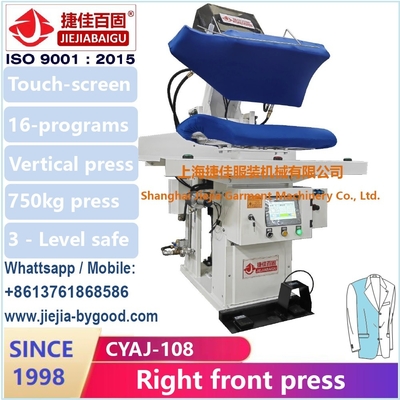
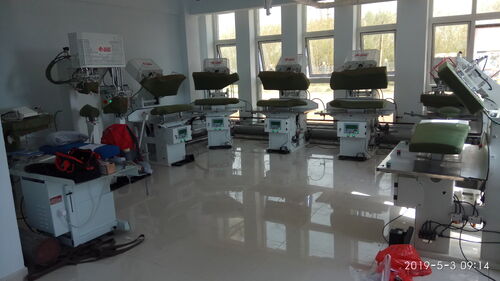
Maquinaria Co., Ltd. de la ropa de Shangai Jiejia Establecido en 1995 solución completa del equipo que plancha de la ropa 1. máquina RRPP-que encoge de la tela2. máquina de la inspección de la tela3. máquina de fusión4. tabla y caldera que planchan5. prensa de planchar (traje, camisa, bragas, underware, vaqueros y el hacer punto) Podríamos suministrar al cliente diversos tipos de máquina para el mismo trabajonivel económiconivel de clase medionivel de clase superior Tenemos el equipo de proceso ...
Ver más
China shanghai jiejia garment machinery co .,ltd

1995

Año de creación

3000000 +

Ventas anuales

>100 +

empleados

Noticias
How to Choose the Right Suit Pressing Machine for Your Tailoring Business: A Practical Buyer's Guide
2026-10-12
.gtr-container-a7f3c9 { font-family: Verdana, Helvetica, "Times New Roman", Arial, sans-serif; font-size: 14px; line-height: 1.6; color: #1a1a2e; max-width: 100%; box-sizing: border-box; padding: 0; margin: 0; } .gtr-container-a7f3c9 *, .gtr-container-a7f3c9 *::before, .gtr-container-a7f3c9 *::after { box-sizing: border-box; } .gtr-container-a7f3c9 p { font-size: 14px; line-height: 1.6; text-align: left; margin: 0 0 14px 0; color: #2c2c3e; } .gtr-container-a7f3c9 .gtr-h2 { font-size: 18px; font-weight: bold; color: #0000FF; line-height: 1.4; margin: 28px 0 12px 0; padding: 0 0 8px 0; border-bottom: 2px solid #d0d0ff; letter-spacing: 0.2px; } .gtr-container-a7f3c9 .gtr-h2:first-child { margin-top: 0; } .gtr-container-a7f3c9 img { display: inline-block; vertical-align: top; margin: 4px 6px 4px 0; border-radius: 6px; } .gtr-container-a7f3c9 .gtr-table-wrap { overflow-x: auto; margin: 18px 0; border-radius: 8px; box-shadow: 0 1px 4px rgba(0, 0, 255, 0.08); } .gtr-container-a7f3c9 table { width: 100%; border-collapse: collapse !important; border-spacing: 0 !important; border: 1px solid #c5c5f0 !important; font-size: 14px !important; background-color: #ffffff !important; table-layout: auto; } .gtr-container-a7f3c9 table th { background-color: #0000FF !important; color: #ffffff !important; font-size: 14px !important; font-weight: bold !important; text-align: left !important; padding: 10px 12px !important; border: 1px solid #0000cc !important; line-height: 1.5 !important; word-break: normal !important; overflow-wrap: break-word !important; } .gtr-container-a7f3c9 table td { background-color: #ffffff !important; color: #2c2c3e !important; font-size: 14px !important; text-align: left !important; padding: 10px 12px !important; border: 1px solid #d8d8f5 !important; line-height: 1.5 !important; word-break: normal !important; overflow-wrap: break-word !important; } .gtr-container-a7f3c9 table tbody tr:nth-child(even) td { background-color: #f4f4ff !important; } .gtr-container-a7f3c9 table tbody tr:hover td { background-color: #e8e8ff !important; } .gtr-container-a7f3c9 ul { list-style: none !important; margin: 14px 0; padding: 0 0 0 20px; } .gtr-container-a7f3c9 ul li { position: relative; font-size: 14px; line-height: 1.6; text-align: left; margin: 0 0 10px 0; padding: 0 0 0 4px; color: #2c2c3e; } .gtr-container-a7f3c9 ul li::before { content: "•" !important; position: absolute !important; left: -16px !important; color: #0000FF !important; font-weight: bold; font-size: 16px; line-height: 1.6; } .gtr-container-a7f3c9 ul li strong { color: #0000FF; font-weight: bold; } .gtr-container-a7f3c9 .gtr-faq { margin: 18px 0; padding: 0; } .gtr-container-a7f3c9 .gtr-faq p { margin: 0 0 12px 0; padding: 12px 16px; background-color: #f4f4ff; border-left: 3px solid #0000FF; border-radius: 0 6px 6px 0; font-size: 14px; line-height: 1.6; text-align: left; color: #2c2c3e; } .gtr-container-a7f3c9 .gtr-faq p:last-child { margin-bottom: 0; } .gtr-container-a7f3c9 .gtr-faq p strong { color: #0000FF; font-weight: bold; } .gtr-container-a7f3c9 p strong { color: #0000FF; font-weight: bold; } @media (min-width: 768px) { .gtr-container-a7f3c9 { max-width: 860px; margin: 0 auto; padding: 8px 0; } .gtr-container-a7f3c9 .gtr-h2 { font-size: 18px; margin: 34px 0 14px 0; } .gtr-container-a7f3c9 p { margin: 0 0 16px 0; } .gtr-container-a7f3c9 .gtr-faq p { padding: 14px 20px; } .gtr-container-a7f3c9 table th, .gtr-container-a7f3c9 table td { padding: 12px 16px !important; } } Choosing the right suit pressing machine is one of the most consequential equipment decisions a tailoring business can make. The wrong machine produces inconsistent finishes, damages delicate wool and inflates energy costs — while the right one can double daily output and protect your reputation. This guide breaks down the practical factors that experienced tailors and garment finishers actually weigh before they buy. 1. Start With Your Real Production Volume Too many workshops buy by “feel" rather than throughput. Match machine capacity to your genuine daily output before anything else, because overbuying quietly drains energy and maintenance budgets. Daily output Recommended system Why it fits 10–30 garments Manual steam press + vacuum table Affordable, flexible, low energy use 30–80 garments Professional vacuum table + independent boiler Faster steam recovery, consistent quality 80+ garments Industrial rotating / pivot press line Maximum throughput, minimal downtime Q: I press fewer than 10 suits a day — do I need an industrial machine?A: No. Overbuying means paying for capacity and energy you never use. A quality vacuum-table press delivers the same finish quality at low volume while cutting running costs. Q: How long should a single jacket take to press?A: With matched steam recovery and vacuum, 3–6 minutes is typical. Consistently taking 10+ minutes usually signals a pressure or vacuum mismatch, not a lack of operator skill. 2. Match the Heat and Steam System to Your Fabrics Wool, cotton, linen and synthetics respond very differently to heat and moisture. A machine without adjustable steam and temperature control will scorch delicate fabrics and leave heavy wool flat. Built-in boiler: fast heat-up, saves floor space, ideal below 50 garments per day. Independent boiler: faster recovery under continuous load for higher volume. Vacuum system: pulls moisture out and sets the crease to prevent unsightly shine. Thermostat & steam control: essential for cashmere, silk blends and other delicates. Q: Is a built-in boiler better than a separate one?A: Built-in boilers heat faster and save space, but separate boilers recover quicker under continuous use — worth the investment above roughly 60 garments a day. Q: Can one machine handle both wool suits and cotton shirts?A: Yes, provided it offers adjustable temperature and steam settings. Fixed-temperature presses are the leading cause of scorching and glaze marks. 3. Pressure, Vacuum and Table Size Consistent pressure across the entire pressing area separates professional equipment from hobby-grade units. Ask suppliers for the pressure rating in bar and confirm the vacuum motor’s airflow, not just its wattage. Q: How much pressure do I need for heavy wool?A: For structured wool jackets, look for a press that maintains roughly 5–7 bar at the ironing surface. Too little pressure leaves wrinkles; too much flattens the natural hand of the fabric. Q: Does table size matter if I only press jackets?A: Yes. An undersized table forces repeated re-positioning, slows you down and creates uneven finish lines. Measure your largest garment before deciding. 4. Controls, Safety and Ergonomics Modern machines add auto shut-off, overheat protection and foot-pedal control. These are not luxuries — they reduce operator fatigue, prevent burns and lower workplace insurance risk. Q: Are automatic safety features worth the extra cost?A: For multi-operator workshops, absolutely. Auto shut-off and thermal cut-outs prevent both burns and the expensive burn-out of heating elements. Q: Which ergonomic features should I check?A: Adjustable table height, a well-damped foot pedal and a reachable steam lever. Ergonomics directly affect daily output and staff retention. 5. Cost, ROI and After-Sales Support The purchase price is only part of the equation. Calculate total cost of ownership: energy use, water treatment, spare parts and downtime. A machine that saves 20 minutes a day can pay for itself within months. Q: What warranty should I expect?A: Reputable suppliers offer 12–24 months on major components and stock spare parts in your region. A dealer who cannot supply parts locally is a hidden long-term cost. Q: How do I verify a supplier before buying?A: Request real customer references, a factory video and a test press on your own fabric. Honest suppliers welcome this — it protects both sides. 6. Installation, Training and Compliance Confirm voltage, phase and boiler certification requirements in your country before shipping. Ask for on-site or video installation support and operator training — a two-hour session typically prevents months of costly mistakes. Q: Do I need special electrical wiring?A: Industrial presses often require 380V three-phase power. Check your facility’s supply and confirm it with the manufacturer before ordering. Q: Is operator training really necessary?A: Yes. Correct steam timing and vacuum sequencing directly determine finish quality; untrained operators damage more garments than faulty machines do. Conclusion: Decide With Data, Not Guesswork Choosing the right suit pressing machine comes down to matching capacity, fabric range, pressure and support to your actual business. Prioritise a supplier who provides verifiable references, responsive after-sales service and available spare parts — because a suit pressing machine is a ten-year investment, not a one-time purchase.
Leer más
Latest company news about How to Choose the Right Suit Pressing Machine for Your Tailoring Business: A Practical Buyer's Guide
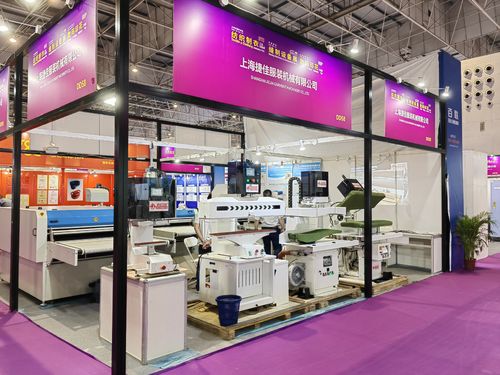
Bienvenido a visitar nuestro stand en CISMA 2025 Shanghái
2025-09-02
CISMA 2025 SHANGHAI se celebrará del 24 al 27 de septiembre.   Nuestra empresa participará en CISMA. Pabellón No.: E3Stand NO. E62 / E64 / E66  
Leer más
Latest company news about Bienvenido a visitar nuestro stand en CISMA 2025 Shanghái
Cómo seleccionar la máquina de acabado de pantalones vaqueros chinos, la máquina sopladora y el topper
2025-06-18
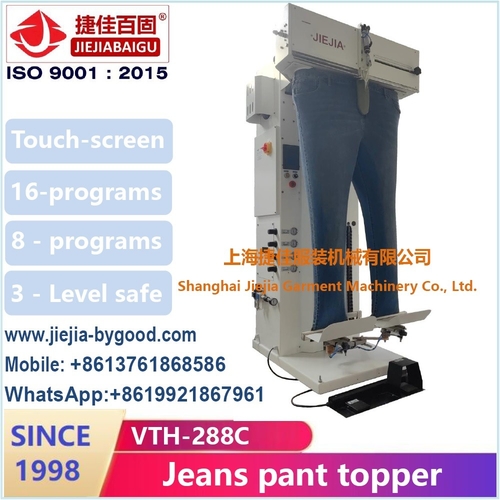
  Shanghai Jiejia Garment Machinery Co., Ltd. Fundada en Shanghái en 1998   Suministramos una gama completa de equipos de planchado: 1. Máquina de planchado para trajes 2. Máquina de planchado para pantalones 3. Máquina de planchado para camisas 4. Máquina de planchado para jeans / chinos / denim   (1 P). ¿Cómo aumentar la eficiencia de planchado de Jeans / Chinos / Denim? (1 R). Seleccione una buena máquina de planchado / topper. El modelo correcto es Jiejia VTH-288C.   (2 P). ¿Qué tan rápido funciona la VTH-288C? (2 R). La VTH-288C podría terminar una pieza en 12-15 segundos   (3 P). ¿Cómo saber más detalles? (3 R). Por favor, encuentre la forma de contacto de SHANGHAI JIEJIA: Móvil: +86 13761868586 WhatsApp: +86 19921867961 Correo electrónico: barclay_yang@136.com   (4 P). ¿Cómo funciona la VTH-288C? (4 R). Por favor, vea la siguiente foto   Planchar jeans       Cambiar la pinza inferior   Planchar chinos / pantalones      
Leer más
Latest company news about Cómo seleccionar la máquina de acabado de pantalones vaqueros chinos, la máquina sopladora y el topper
2025 DTC Dongguan Textil y ropa exposición
2025-03-28
2025-03-25 ~ 27 Exposición de textiles y ropa de Dongguan    
Leer más
Latest company news about 2025 DTC Dongguan Textil y ropa exposición
Más productos
¿Qué dijeron?
Envíe su consulta
Envíenos su solicitud y le responderemos lo antes posible.
Envío